This week we are in Phoenix — the Heard Guild Fair is this weekend, March 7 and 8. If you are anywhere near the Valley of the Sun and are interested in Native American arts and culture, definitely plan to attend. More than 600 American Indian artists will be there, from all around the country. Plus there’s music, dance performances, and craft demonstrations.
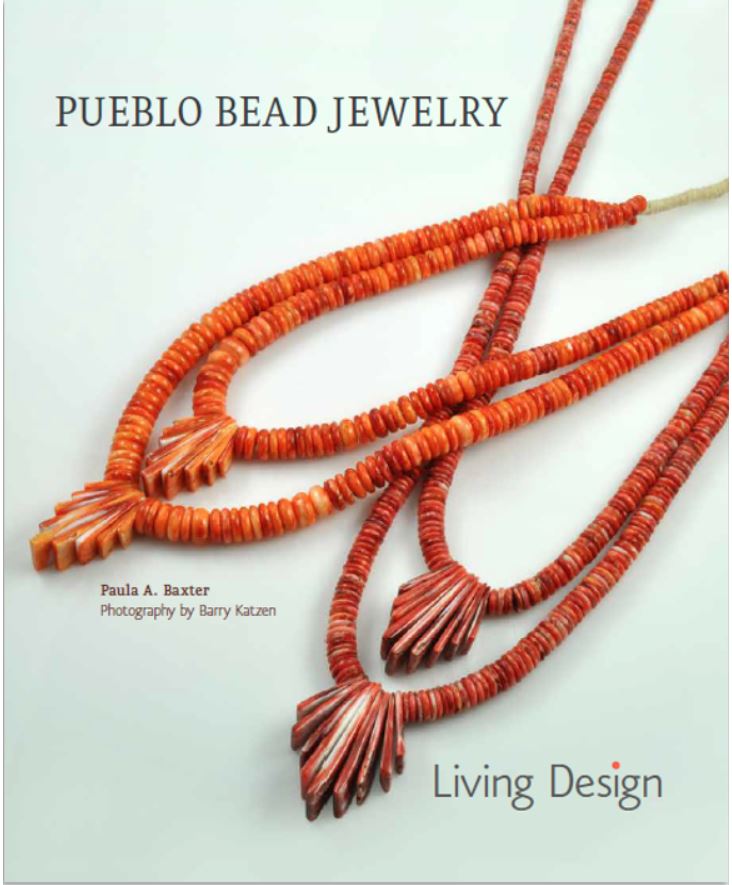
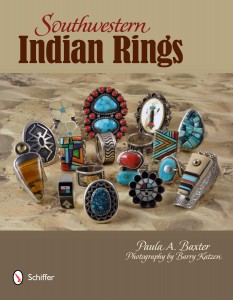
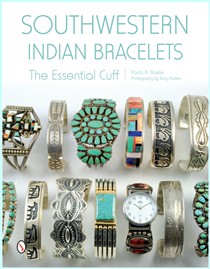
On Saturday we’ll be signing advance copies of our newest book, Southwestern Indian Bracelets: The Essential Cuff, near the Museum Bookstore.
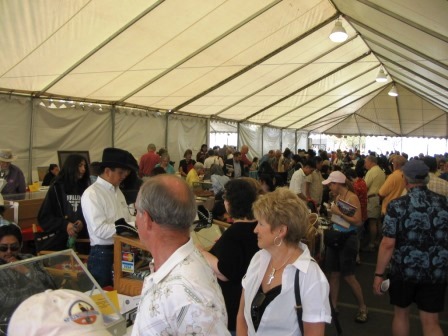 Inside one of the exhibition tents.
One of the most interesting facts brought out at the “Geronimo” exhibition at the Heard Museum concerns his life after raiding, running, and imprisonment. The canny man recognized his notoriety was capable of making him money. He sold the buttons from his clothes to souvenir hounds, and found other outlets for his new-found marketing and self-promotion skills. I see this aspect of his life as ironic and perhaps inevitable. Along with Pocahontas, Geronimo may rank as the best-known of all historical American Indians.Even Edward Curtis’s portrait of Geronimo in old age captures the iconic nature of the man—who knew he was an icon and just how much this could net him.
The U.S. government’s covert campaign to capture and take down Osama Bin Laden was code-named “Operation Geronimo.” This gesture was a belated token of respect for a Native man who kept the U.S. Army on the run for many years.
“Beyond Geronimo: The Apache Experience” runs through January 20, 2013.
I’ve watched this fair since I started attending in the early 2000s. I’d grown a little tired of the Santa Fe Indian Market and a chain of personal challenges made the direct flight from NY’s JFK to Phoenix’s Sky Harbor Airport a more viable choice. Initially, the Guild Fair had a tone of merriment not unlike a large crafts fair. A closer look, however, indicated that the goods on offer were much more than clever craft work. The grounds of the Heard Museum make for a good-natured, self-contained environment. The most notable thing I saw at once was that this show can be a more productive learning experience for the beginning collector. The SWAIA Indian Market is still the place for razzle-dazzle entries, high prices, and reputation-enhancing work. Yet, the arts that are displayed at the Heard show are often things that one call fall in love with quite easily. This year’s Guild Fair opens Saturday, March 3 and runs through Sunday.
The Heard Museum is offering an enchanting little exhibition on Indian dolls — one of my favorite Southwestern souvenirs. My first trip on Route 66 took place in 1962 when we drove from New York to Albuquerque so my father could attend graduate school at the University of New Mexico. I acquired a rag doll of a Cherokee lady — in homespun dress and bandana — from an Oklahoma buffalo farm. Later, I got my one and only Navajo lady doll in velveteen shirt and long skirt from the famed portal of the Plaza of the Governors in Santa Fe. The exhibition at the Heard awoke all those old dormant feelings of youthful tenderness. I still have those dolls, but like so many people, I’ve packed them away someplace where they’ll languish until a future day. The bookshop at the museum offers the viewer a chance to buy some Native-made contemporary dolls.
(Visit “More Than Child’s Play: American Indian Dolls,” running through March 4, 2012)
Navajo weavings are a wonderful category of Indian-made art. These textiles, old and new, bear testimony to the artist’s eye for small details that pack a punch. Like clouds and scenes from reservation life, a weaving can come alive when animals are introduced. The tree of life weavings come to mind at once, but then there are those compositions that portray the sturdy chipmunk, carefree Kaibab squirrel, or anxious cottontail. One of my favorite categories is the pictorial weaving, where the introduction of animals makes the entire composition that much livelier. We were fortunate in the late 1980s to obtain a small weaving by the artist Fanny Pete that consists entirely of rabbits! It’s the pride of our home and I’d never let our amazingly spoiled bunnies anywhere near it. For those of you unacquainted with domestic rabbits—they chew textiles like puppies…
If the Indian arts shows are factored out, where can collectors, especially beginners, expect to find the best work? We faced this issue in our visit to Tucson earlier this year. We were looking out for quality Tohono O’odham baskets. The Mission at San Xavier used to be a good bet, but their gift shop held only a few mediocre items. We located a small shop not far from the mission, Turquoise Skies where there was good work available. This shop was run by local men who knew the local artists personally. Even then, however, the owners admitted that getting this work is harder. Not only are fewer Native artists able to take the time to make this art, or teach a new generation, but well-to-do collectors and city dealers come to them first.
What does this tell those visiting Indian Country for a first-hand experience of buying Native arts there? Well, there will definitely be less really good arts available at trading posts and shops near national parks and tourist attractions. The loss of Verkamp’s at Grand Canyon Village on the South Rim is evidence of that. Even the shop at Monument Valley Tribal Park contains items that jump from low-end tourist work to the extremely expensive. If you want good quality Indian arts, your choices—with a few notable exceptions—are to go to the reputable museum gift shops, IACA- and ATADA-backed galleries in the cities, or to the artist directly.
(Disclaimer: While we shop at the Head Museum Shop, we do not receive any gifts or other consideration for mentioning them.)
One of the best things about Native-made textiles is in the detail. Today’s weavers use opportunities to pull the viewer in with a small touch. Such an image is often organic, ranging from rain clouds to rabbits. Don’t forget to check out the Crownpoint Rug Auctions if you plan to be in western New Mexico.
Exhibitions like “A Turning Point,” currently at the Heard Museum, point out essential information. Navajo weavings are famed for their unexpected narrative elements, usually in keeping with the overall design.
One of the highlights of attending the Heard Museum Guild Indian Fair and Market, which seemed to be bigger and better than in previous years, was the museum’s exhibition, A Turning Point: Navajo Weaving in the Late 20th Century. Shows like these help collectors and interested people to pinpoint artistic trends and development. For a craft rooted in the nineteenth century, Navajo weaving has come a long way. Discoveries include:
- use of popular culture references, such as brands
- titles for certain compositions
- inclusion of rugs within other rugs to create a “framing” concept
- weavers’ pathways as significant elements
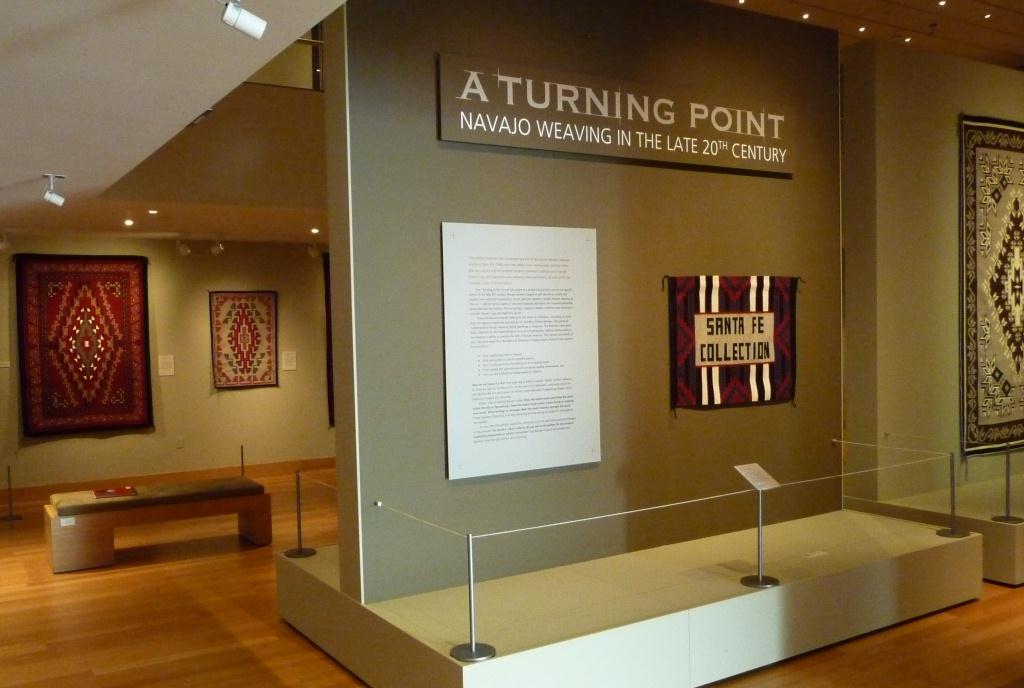
The Storm Pattern rugs were the most vivid standouts in this great exhibition.